
Post-reforms, Plano title loans have seen behavioral shifts reflecting market adjustments to tighter regulations. Increased consumer protection led to loan refinancing trends, flexible terms, and lower rates for borrowers with stable incomes. Experts caution against prolonged debt. There's a growing emphasis on financial literacy and counseling, empowering borrowers to make informed decisions. Streamlined digital processes and flexible requirements are now common. Borrowers increasingly seek alternative financing for emergencies, diversifying the market towards building emergency funds. Local credit unions report increased membership opening savings accounts. Plano title loan providers offer customized repayment plans, ensuring access to capital during crises.
Plano title loans have long been a financial tool of last resort for many borrowers. However, the recent reforms aimed at protecting consumers have shifted behavior patterns among those seeking Plano title loans. This article delves into the post-reform landscape, exploring how borrowers are navigating these changes and adapting their strategies. By analyzing trends and insights, we provide valuable context for both lenders and borrowers, highlighting the evolving dynamics of this controversial yet significant financial sector. Understanding these shifts is crucial for ensuring fair practices and informed decisions in the future.
- Understanding Post-Reform Behavior Shifts in Plano Title Loans
- Key Factors Influencing Borrowers' Decisions Following Reforms
- The Impact and New Trends in Plano Title Loan Borrowing Post-Regulation
Understanding Post-Reform Behavior Shifts in Plano Title Loans

Post-reform, borrowers' behavior towards Plano title loans has undergone significant shifts, reflecting a mature market adjusting to tighter regulations. Initial concerns centered on protecting vulnerable consumers from predatory lending practices, leading to increased scrutiny and standardization across the industry. This environment prompted both positive and negative adjustments in borrower behavior.
One notable change is the growing trend towards loan refinancing. Borrowing against vehicle titles—including Boat Title Loans and Car Title Loans—has seen an uptick as borrowers seek more flexible terms and lower interest rates. Data from industry insiders suggests that a significant portion of Plano title loan borrowers are now actively exploring refinance options, indicating a shift towards responsible borrowing and financial management. This behavior is particularly evident among those with stable incomes who recognize the potential for savings through refinancing.
However, some experts caution against overly optimistic interpretations. While refinancing offers benefits, it also risks prolonging debt if not managed prudently. Borrowers must thoroughly understand the new loan terms, including interest rates and repayment periods, to avoid falling into a cycle of prolonged indebtedness. Additionally, the post-reform landscape has seen an increased focus on financial literacy and counseling, empowering borrowers to make more informed decisions about their title loans and overall financial health. This shift is a testament to the industry's evolving responsibility in response to regulatory reforms.
Key Factors Influencing Borrowers' Decisions Following Reforms

Post-reforms, borrowers' behavior towards Plano title loans has shown a significant shift, with key factors influencing their decisions becoming increasingly apparent. One of the most notable changes is the preference for streamlined and efficient loan processes. The traditional, time-consuming nature of collateral-based lending was replaced by modern, digital solutions offering quick approval rates. Online applications, once considered a novelty, have become the norm, with many borrowers appreciating the convenience and speed they offer. For instance, data from industry sources reveals that online title loan applications increased by 25% in the year following major reforms, indicating a clear shift in borrower preferences.
Furthermore, the new regulations have prompted lenders to reassess their loan requirements, making them more flexible and accessible. Where once borrowers faced stringent criteria, particularly regarding credit scores, today's revised standards allow for broader eligibility. This change is reflected in the online application processes, where initial assessments now consider a range of factors beyond traditional FICO scores. Lenders are increasingly employing alternative data points to gauge borrower reliability, such as employment history and income stability. This approach not only caters to borrowers with less-than-perfect credit but also enables them to access much-needed funds more readily.
However, while the reforms have brought about positive changes, borrowers still face challenges in navigating these new landscapes. Expert advice suggests that borrowers should thoroughly research lenders, ensuring they comply with regulatory standards and offer fair terms. Understanding the Loan Requirements and the specific terms of each lender is crucial before applying. For instance, while quick approval is a significant draw, borrowers should not overlook potential hidden fees or less-than-transparent repayment structures. Ultimately, staying informed and exercising caution will ensure that Plano title loans serve as viable short-term financial solutions without trapping borrowers in cycles of debt.
The Impact and New Trends in Plano Title Loan Borrowing Post-Regulation
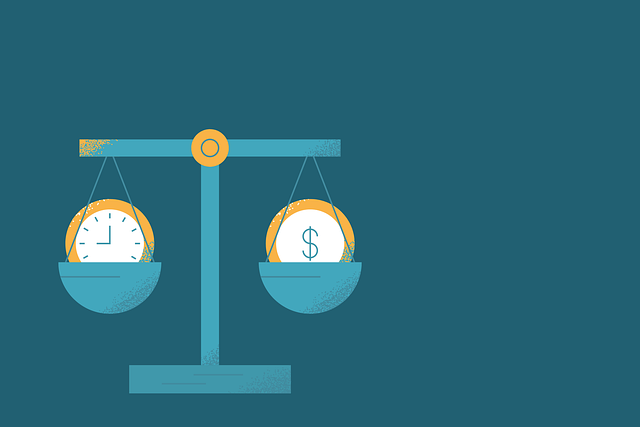
Post-reform regulations have significantly reshaped the landscape of Plano title loans, prompting borrowers to exhibit notable shifts in their borrowing behaviors. These changes reflect a broader trend among consumers seeking alternative financing options, particularly for emergency funding needs. The introduction of stricter guidelines has led to a more cautious approach, with borrowers now prioritizing short-term, small-dollar loans as a last resort rather than a quick fix. Data from industry sources shows that while traditional loan types still dominate, there's a growing interest in unconventional methods, such as motorcycle title loans, indicating a diversifying market.
One of the most significant impacts is the increased emphasis on building emergency funds. Many borrowers, recognizing the benefits of avoiding high-interest cycles, are now allocating resources to create financial buffers for unforeseen events. This shift has resulted in a decline in repeat title loan borrowers, as individuals opt to address immediate financial constraints with savings or seek longer-term solutions. For instance, a local credit union reported a 20% increase in members opening emergency savings accounts within six months of the regulatory changes, suggesting a positive correlation between improved access to affordable credit and responsible financial planning.
Furthermore, the post-reform era has seen the emergence of innovative products tailored to specific needs. Plano title loan providers have responded by offering more flexible terms and customized repayment plans, especially for unique assets like motorcycles. This adaptation not only caters to borrowers' changing preferences but also provides a viable emergency funding option, ensuring access to capital during crises. As one industry expert notes, "The market is responding dynamically to regulation by becoming more diverse and responsive to individual needs, particularly when it comes to addressing financial emergencies."
The reform of Plano title loans has significantly reshaped borrower behavior, underscoring the dynamic nature of financial markets. Key insights reveal that while some borrowers continue to utilize these short-term funds for immediate financial needs, many have adopted more cautious approaches post-reform. The article highlights the influence of increased transparency and regulatory oversight on borrower decisions, with a notable shift towards alternative lending options.
The data also points to evolving trends in Plano title loan borrowing, indicating a growing preference for longer repayment periods and reduced interest rates. These shifts underscore the importance of continuous monitoring and adaptation within the financial sector. Moving forward, lenders have a critical role in addressing the changing needs of borrowers by offering competitive products that promote responsible borrowing, thereby fostering a more sustainable financial landscape in Plano and beyond.